
Hunting Gear
Preparing for a Multi-Day Ranch Adventure
June 19, 2026 • Lone Star Varmint Hunts
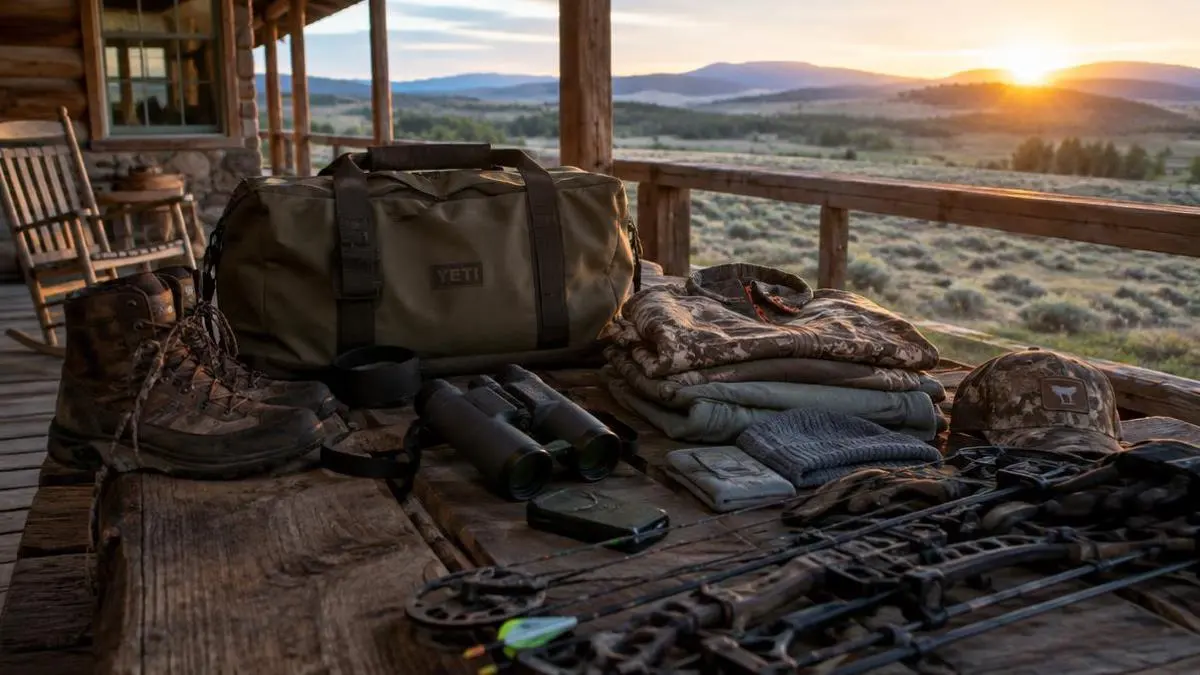
As the small items that we might easily over look start to add up to bigger problems on a long hunt, the hunting trip packing list starts to serve a purpose other than just filling up pockets on a long hike. For Texas varmint hunting on ranches, we are talking long days of hiking in the field, possible changing weather, rough ground and quiet stalks. We also have to consider the ways in which we will be moving around the country and the ways in which we will be handling our firearms, all while adhering to federal, state, local laws, as well as the laws of the land that we are hunting on and the range that we are hunting on.
Build clothing around changing conditions
Start with base layers that will keep you cool in hot weather. Bring a midlayer for cold weather and a wind and rain proof outer shell. The outer shell may be more important than a warm coat on cold days. Don’t bring so much clothing that you will be spending too much time changing garments during the day. Sealed bag of spare socks: Keep your feet dry and your blisters at bay. Wet feet, dirt and excessive wear and tear from long hours of walking will create nasty hotspots that will hinder your ability to focus and spot game. Inspect your boots for separated soles, worn soles and cracks in the waterproofing before you leave for the hunt. Boots that seem fine for home adventures can become downright hazardous on uneven ranch roads and steep terrain. A hat, gloves and sun protection should be used even when the morning is cool. One dry layer should be held back for rest periods. Although clothing may become soaked with sweat, the return trip can become a very uncomfortable walk when cool wind is blowing.
Protect water, meals and energy
Bringing more than one way to get to your water is wise. Store your main containers in your vehicle or camp, and pack a working bottle or hydration system with you every time you leave an area for an extended period of time. Make sure all of your water containers are leak proof, that the caps are not damaged, and that the bite valve is not clogged before you leave for your hunt. Pack simple meals and stay energized on the trail. For hunting many days, choose items with long shelf life, that are easy to open and contain plenty of salt, to keep your energy up for long days. Also, pack out all waste in a small trash bag for the waste from your meals. Headache, fatigue, dry mouth, dizziness, and irritability can signal that you are experiencing the effects of heat or exhaustion. Be aware of how your body is feeling and don’t try to push through the symptoms. Hiding that you’re not feeling well could jeopardize an entire group’s hunt on a day when everything is going quietly.
Keep optics clean, dry and ready
Cleaning your optics is part of your pack and should consist of a small brush for your lens, a good quality clean microfiber cloth for wiping down your optics and a protective case for storage of your optics when not in use. Brush off any dust or debris from your lens prior to wiping with your cloth as grit can cause scratching to your lens surface. Before going out to hunt check all of your optics for focus. Make sure all caps are tight and there are no signs of wear on any of the straps. Look through all of your binoculars and spotting scopes in the type of lighting you will be hunting in. Look for any haze, fogging or dull spots in the lenses. If you find any of these issues it could be the sign of moisture or poor cleaning and should be addressed before you head out. Also, be aware that temperature changes can cause condensation to form inside your optics. Try to protect your optics from temperature fluctuations and don’t store your optics in their cases at night and open them up in the morning. Repeated fogging of your optics can be a sign that your optics need to be serviced. Don’t try to solve this problem with excessive heat or even worse, with DIY repairs.
Transport firearms with deliberate checks
Firearm transport needs to be planned for before you start packing the rest of your gear for the trip. This will include following all of the Federal, State and Local regulations as well as any rules established by the landowner where you will be hunting. This would also include any special rules or procedures as outlined by the range officer or other hunt leader. Remember to always transport your firearms in their proper cases and keep them unloaded until you reach your destination and are prepared to hunt. Before you depart, verify that your firearm is to be transported in the case as unloaded and that your ammunition is packed in accordance with your trip’s requirements. Verify that all of your equipment is to be left in the vehicle or to be secured in such a manner so as to not become dislodged or opened whilst in transit. Upon returning to your camp, do a final walk-around to verify that all equipment, especially the firearm(s), has been accounted for in good condition. Movement of a firearm from a vehicle to a camp and then to and from a field location should always be treated with the same respect as when moving within a camp. Keep the end of the gun pointed in a safe direction at all times and follow the same established procedures for handling a firearm that you would within your camp. Be cautious of anything unusual such as resistance, damage or foreign objects that may have been introduced to your firearm. If in doubt seek assistance from a qualified firearms technician.
Plan sleep and camp recovery
A good night’s sleep is part of your overall field safety. Check your ground sheet for leaks, your tent stakes for completeness, and the zippers on your gear for functionality before you depart for your trip. Bring a ground sheet, bring dry clothing for sleeping in, and bring a method to keep your boots dry too. Select a campsite with suitable drainage, adequate clearance from trees and avoid routes that will attract a lot of attention from other vehicle users. The area should be sufficient to accommodate all your field equipment and to allow for easy movement during the night. Ensure you have a reliable source of light, such as a good quality headlamp with fresh batteries, and a backup light. Go through a set of recovery checks right before bed, air out damp clothing, fill up the water, clean the optics, check the soles of your feet for blisters, etc. It takes a few minutes to go through this list but it catches little problems before they become major disasters.
Adjust the plan when weather or terrain shifts
Don’t rely solely on your initial planning and the weather forecast – observe the current field conditions as you go along. Clouds can darken and the wind can start to blow within hours, and even within minutes. If you experience sudden heat, slippery ground or a drop in visibility while you’re out in the field, change your route accordingly. Rain and cold weather should be able to be dealt with from within the vehicle or from day packs. Electronics, maps and spare clothing should be stored in a sealed bag to prevent one wet cross over or storm affecting the rest of the trip. In very dusty conditions try to prevent dirt from getting into action areas and optic glass surfaces and check all your gear before you use it. Consider also the cost of a slight injury. Traveling over uneven, rocky, cattle trail-like terrain in the dark can be slow going and thus potentially hazardous. Set up a check-in time and ensure all have a charged communication device. Map out the closest vehicles and the route back to them as well.
Use this field checklist before leaving
- Clothing: base layer, insulating layer, weather layer, hat, gloves, spare socks and boots.
- Water: Water in containers that can be filled, a day’s supply of water and a check for leaks. Plan for resupply of water as needed.
- Food: simple meals, snacks, utensils, waste bag and a means to organize food to keep fresh and avoid spoilage.
- Optics: lens brush, clean cloth, covers for scopes, straps for binoculars, for clearing fogging from optics.
- Firearm transport: compliant case, required ammunition storage, secure placement and a repeatable handling routine.
- Sleep: shelter, dry sleep clothing, ground tarp, light, spare batteries, repair kit.
- Weather: rain layer, sun protection, warm backup layer and sealed protection for electronics.
- Recovery: First aid kit, Water for cleaning up, Footwear check, Plan for return.
If on inspection, you find that one of your critical items is wet, damaged, missing or hard to use, make repairs before you leave. If for some reason you cannot fix it before you depart, then change your plans for the day instead.
Leave the ranch ready for the next day
These few simple actions form the basis for a solid multi-day ranch adventure. Responsible Texas ranch guests show up with all of the necessary items to ensure a good time, prepared to deal with the unexpected and treat the property with due respect. Repeat these same actions over and over until you return to the ranch for the next adventure.