Hunting Guides
Reading Wind and Thermals on a Texas Hunt
May 22, 2026 • Lone Star Varmint Hunts
That same light air across the open pasture can change near a draw, a patch of brush, or that stock tank. It can turn a promising hunt into unwanted noise, exposure, or danger. Reading the air, knowing your land, and setting up to respect wildlife and your ranch is what good Texas varmint hunting is all about. You’ll never know for sure how conditions will change, but if you can find a few clues, keep monitoring things.
Start With the Broad Wind
Find a spot to set up before you go and stand still in it. Feel the air on your face, the back of your neck, and your hands. Then go for a look around and compare the amount of grass motion, leaf motion, etc. to the amount of air motion. A slight breeze at the vehicle that appears to be coming from the east may in reality be crossing around to the left of that sharp cut bank. Remember that it takes more than one clue to establish the truth of something. For example, the grass may be sheltered while the air above it moves freely, or a tree may create a different swirl of air on its downwind side. And don’t forget the biggest influence of all-your own movement in the field, which will disturb light material and make it seem to be coming from a different direction than it really is. Notice consistent lean in individual grass blades over open areas of grass. Areas with inconsistent lean indicate unstable air and may require repositioning, shotting from a different location for a shorter period of time or withdrawing the hunting setup entirely.
Read Rises, Draws, and Ridges
Don’t mistake ground that appears to be protected by trees or fences for ground that holds little value to setup a hunting position. The same wind that can allow a hunting position to remain undetected can also carry scent from that position to where an animal is holding and travel to cover. A good position will give a hunter a good view but expose movement along an open or slight slope. Using the ground as a map of air lanes, determine how air will move when it’s blowing hard and then how it will move when it’s not blowing at all. Don’t look at a whole pasture as one big area to judge your hunting setup. Instead look at high points, low points, creek beds, brushy cuts and large open flats of the pasture. Be aware that a ridge crest can make a large target and give you a poor background. A position on a lower shoulder or sidehill may give better concealment and a more controlled view. However, be sure that this is legal and does not put people, livestock, roads, buildings or property in danger.
Notice Terrain Thermals
In this setup, use thermals as a clue rather than a rule. A spot in a shaded canyon may remain cool for a long time while the sun warm spot on the adjacent face heats up quickly. A large area of flat ground often does not have any air movement at all. Morning and late day transitions between these different features can be very unsettled as the ground and air struggles to readjust to the new situation. Always recheck the air after sunrise, after a cloud has passed over and if the wind has changed in strength. If one shoots from one narrow assumption about air rising and falling then this is too fragile for a novice. Then shoot from a position that remains safe anyway.
Use Dust, Grass, and Temperature Clues
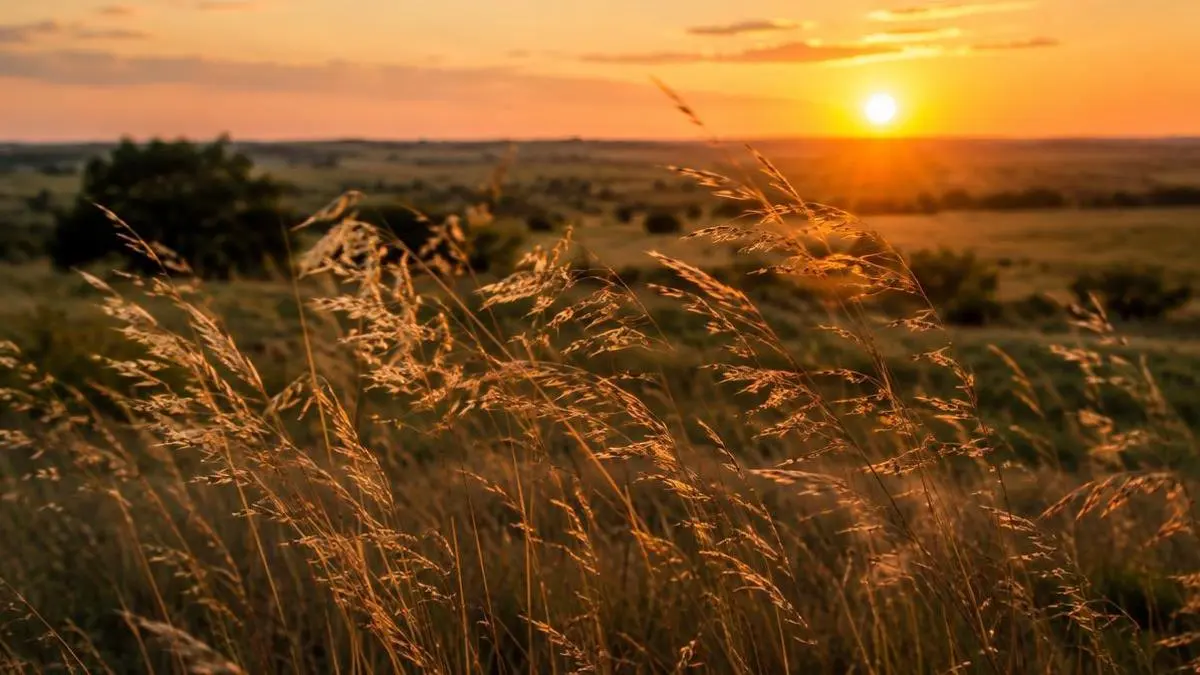
Dust can provide evidence of horizontal movement of air if it is used correctly. A small amount of dust from a passing car tire, a small patch of dry soil that has been disturbed by a boot or a section of bare road can expose the horizontal movement of air. Note that the air near the ground may move in a different direction to the air above brush lines, and so should be observed separately. In grass, watching seedheads, longer stems and edges of patches will give you more lasting clues than a single distorted blade. As the wind shifts, you may get to see the undersides of leaves flapping. Loose spider silk, drifting chaff and other small bits of dry vegetation will sometimes even give you a glimpse of brief changes which you would otherwise easily miss while focusing on that distant field. Note also the changes in temperature. The sensation of cool air when going into shade does not tell you the direction of this air movement. Testing the impression of local air movements against subsequent observations and testing it against different situations (i.e. shady ground vs. sunny ground, open flats vs. draws, exposed ridges vs. edges of brush) will help to assess its reliability.
Choose a Safe, Legal Position
Wind is just one factor to consider when selecting a stand location. It is best to identify a location that has a good backstop, provides adequate visibility, has a safe access route, and is located away from other nearby activities. Current Texas law as well as the landowner’s wishes, ranch boundaries, and any restrictions posted must be adhered to. Also, follow the instructions of the range officer or qualified guide for the hunt. Keep the muzzle of the rifle pointed in a safe direction at all times. Treat every firearm as if it were loaded. Keep the action open on a firearm where appropriate. Positive identification must be made of the target prior to shooting it. However, be aware of what is behind the target that could receive collateral damage. A road, vehicle, livestock area, or an unknown distant horizon should not be part of a casual shot. Make sure a safe background exists before setting up to shoot. Set up a route of withdrawal and mark it in your brain before you set up. Tell someone where you are going, especially on working ranches where gates, equipment, wildlife and vehicles will be moving to change normal patterns of animal travel.
Recheck Before You Commit
Take a few minutes to observe the air at the exact location where you intend to set up before heading out. Note the wind at ankle height, chest height, and at the edge of any cover. Also take a look behind you to where you will be when you are in your set-up position. A swirl of air that begins at your back will carry your scent across the whole area in no time. If the wind is changing frequently, i.e. within a few minutes, don’t keep changing. Check your background to make sure you’re still safe and if the situation has changed then move to another position. Animals react to more than wind, such as human movement, motor vehicles, livestock, heat and changing cover. Responsible hunting means realizing that some situations are better left. A quiet walk in is far better than insistently setting up a shot that is not going to work.
Field Checklist: Stay or Move?
Use this quick check before settling into a position:
- Before settling on a position, take a broad read of wind direction from several clues.
- Does the terrain form draws, ridges, pockets, or possible swirly’s?
- Is air rising or falling as shade and increasing sunlight move across features?
- Look for clues of dust, grass, leaves, and temperature variations. They should generally support or contradict your read.
- Wait until you have clarified all uncertain answers and made the area safe for you and others.
- Are there roads, buildings, animal, vehicles, people (hunters & ranch workers) that need to be in the background of your setup?
- How will you exit the hunting site safely without crossing unsafe terrain or interfering with ranch activities?
- Will your setup still be responsible if the wind shifts?
In doubt, change location and continue to observe from there or cease attempting to read the wind in that area.
Let the Ranch Set the Pace
This form of wind reading can be improved by using lots of observation as opposed to using lots of equipment. Grass next to a gate, dust on a dirt road, cool air in a shaded draw, and sudden changes in temperature as the sunlight hits a slope are just a few signs used on a Texas ranch. Using all this information and staying within the boundaries of your position and safely is key to a great day. Predator control requires judgment and not just opportunity. If the air is not settling or the background is poor abandon the setup. It’s better to protect the land, stock, other people and your future hunting prospects than to risk them.