
Ranch Life
Texas Hunting Traditions and Ranch Heritage
July 30, 2026 • Lone Star Varmint Hunts
Hunting has costs that can be apparent to a hunter before he ever reaches a blind or ends up at a fence line. Damaged cover, stressed animals, open gates, and carelessly discharged rounds all create plenty of work for many people for one day of hunting. Taking a more global view and hunting responsibly requires looking at the country from a variety of perspectives, knowing and adhering to a ranch’s routine, actively attempting to improve wildlife habitat where practical, and treating each situation as part of a long-term relationship with that land. This helps to preserve cherished family traditions while allowing visitors to engage in respectful and safe hunting.
Working Country Comes First
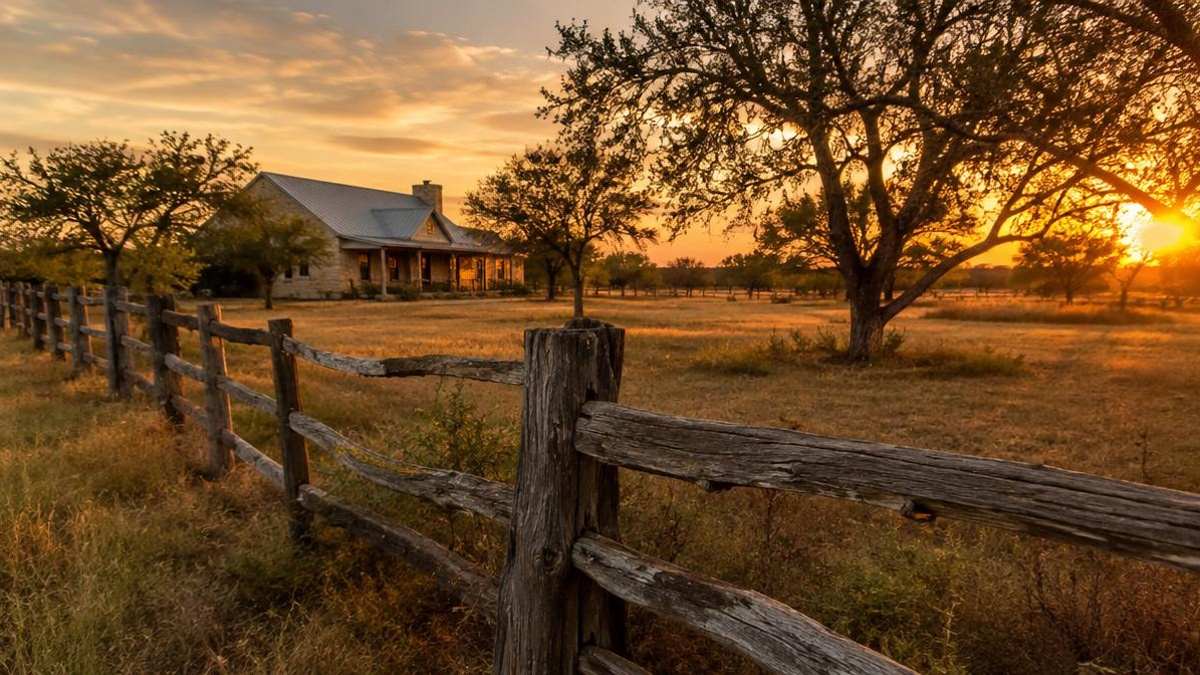
A Texas ranch is more than just a large area of land with wildlife on it. The property could be a home, a working grazing operation, hay, wildlife habitat, or a combination of these uses. Your hunting on the property must not interfere with work on the property-gates, water, stock movement, etc.-in addition to other people who may be using the property. Ask about the day’s ranch work before heading out. A tractor, stock trailer, and fence repair crew may be using the same road as hunters. A quiet morning route may be busier in the afternoon. Keep to the agreed-upon roads and try to shoot in areas that won’t be affected by later work. Also, try to avoid driving in soft ground that may rut in subsequent rain. These are small things but of great practical value. Picking up spent cartridge cases, keeping one’s gear in order and clearing working areas, and reporting broken fences or unusual signs of animal activity are all of great value to a guest. They show you care about their presence on your estate.
Read Cover, Water and Travel Routes
Animals use structures such as shelter, food, water and pressure on the land to travel around. These structures change with weather and human activity on the ranch. In very dry weather, water becomes a very important feature. After rain, new feeding areas are created but low crossing points become difficult to cross in wet weather. Strong winds can expose animals to danger and heavy brush can look unproductive but provide good shelter. Look for ‘travel corridors’ along lines of brush, along the course of a creek, along the edges of fields, along the edges of rock outcroppings, and along rough ground. A mowed strip through a pasture or recently worked field can serve to block these ‘corridors’. Wait patiently for signs of animal activity to develop – such as animal tracks, scat, and even animal-clip vegetation and disturbed earth – and confirm they are actual signs and not misleading signs such as mistaken animal tracks by livestock, or signs washed away by weather.
Prepare Before Leaving the Gate
Begin with a plan and ensure you have confirmed the following: property boundary, approved hunting areas, access roads, a parking place, means of communication and a return time. Also know the location of people, stock, homes, public roads and neighboring properties. If in doubt about any part of the plan, seek clarification before proceeding. Be prepared with suitable clothing for the brush, heat, cold and uneven terrain. Bring water, basic first aid, a fully charged phone and a means of identification with you. Even with a map and offline mapping, knowing the layout of the ranch is far more important than using a tool to locate yourself. Deception can occur in the shade and at distance. Conservative firearm handling remains paramount at all times, including treating every firearm as loaded. Point the muzzle in a safe direction at all times and keep your finger outside the trigger guard until a safe and identified shot can be taken. Follow all current laws, the landowner’s instructions for hunting on their property and all instructions from range officers and/or guides. Never shoot at movement, through cover that is unclear or towards the skyline, roads, buildings etc. Ensure that all such targets have been confirmed clear prior to discharging a firearm.
Habitat Work That Helps the Ranch
Habitat improvement for native wildlife does not have to be a large project and can be as simple as protecting cover, keeping water clean, preventing erosive activity and creating useful transition zones. The work will depend on a number of factors including soil type, rainfall, grazing patterns, invasive plants and overall property goals for the ranch. Before you clear brush, alter a water feature or disturb a den, consider what your purpose is for doing so. While dense cover supports unwanted species, it can also support game, birds and beneficial predators. All rough habitats can support wildlife in several ways including foraging and escape cover. Removing such habitats in a single, sweeping action to beautify a property does not serve the property well. Even when you do decide to go varmint hunting, be sure that you have a clear objective. Some situations may call for the removal of unwanted animals from around livestock, feed, nesting sites or structures. Other situations may not require any action at all. Observe and record what wildlife you see, where you saw it and what the conditions were like at the time.
Safety Around People, Livestock and Weather
Ranch safety is so much more than knowing how to handle a firearm safely while closed. Heat, lightning, slippery surfaces, barbed wire, water and other things can be hazardous long before you even think about firing a shot. Take your time when approaching and crossing fences and other barriers, climb fences at designated points, and assume that a safe route in the past is not necessarily a safe route today. Weather is a deciding factor in completing a day’s work. It does not have to get worse before you return to base. Seeing a storm approach across open country, feeling heat, losing sight of landmarks or finding that the clay has become sticky are all good reasons to turn back and complete a lesser distance the following day. The country does not change to suit your plans. Livestock also changes the margin for error. Do not drive animals near water, and be very careful when using fire while animals are present. Unload and keep firearms securely closed when animals move into the area and wait until they have moved off in the opposite direction.
A Simple Field Decision Guide
Use this short check before you move location:
- Do I know the boundary and what lies beyond it? If not, do not take the shot.
- Is the target positively identified? Movement, sound or a partial shape is not enough.
- Is the background completely safe? Take into consideration roads, houses, stock, people and neighboring properties.
- Has weather or ranch activity changed the plan? Recheck before proceeding.
- Will this action solve a defined problem? No, then rather observe and report.
- Will this action solve a defined problem? If the purpose is unclear, then rather observe and report.
This guide should not be taken as a substitute for local laws and for common sense, and is meant to serve as a prompt to stop and reassess if your plans for the trip have changed.
Passing Along the Right Habits
We uphold the ranch heritage of our families and our guests by learning from the harvest. We remember whether we treated the land with respect, whether we came back safely and whether we became better for having been out there. Children and new hunters should have the opportunity to learn by observation before being allowed to use any of the hunting tools. They can practice identifying boundaries, tracking, identifying hazards and recording weather. Teaching new hunters should be a calm and very specific process. The message should not be take every shot, but rather judge first and then act. Connect use with responsibility to have the best Texas hunting traditions. Improve a little piece of habitat, note a recurring problem on the property, or leave in poor conditions. It is usually quiet but obvious in the way the land has been shaped over time.