
Predator Hunting
Understanding Bobcat Habitats and Behavior
July 2, 2026 • Lone Star Varmint Hunts
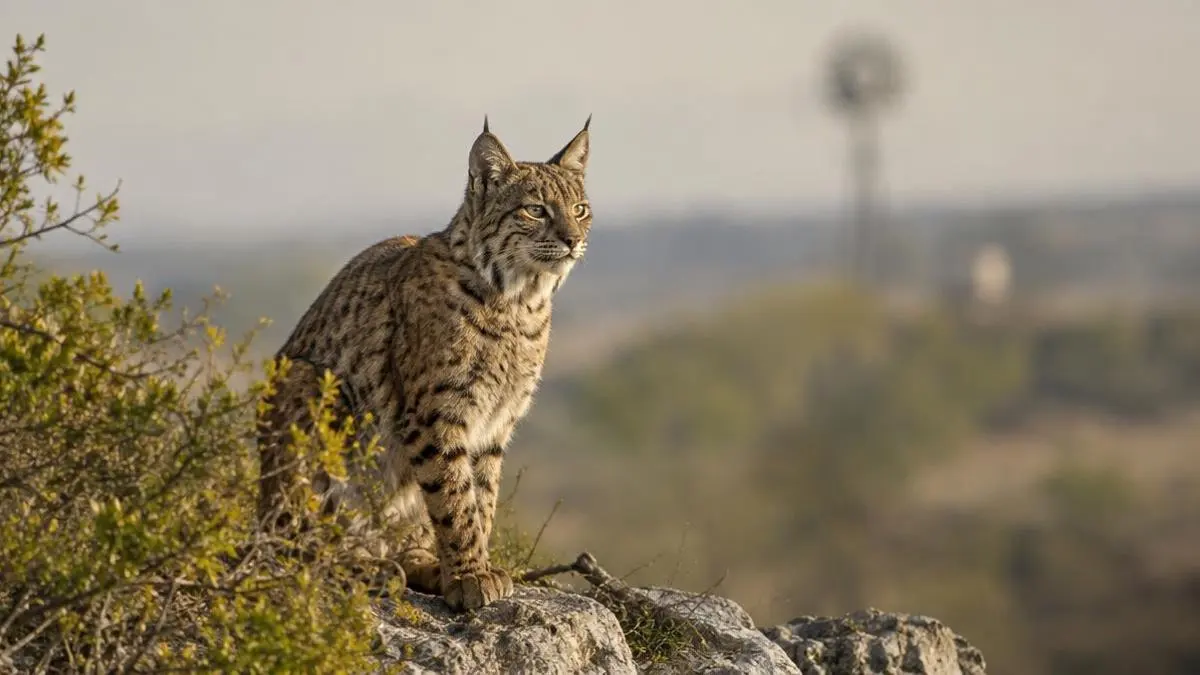
Go out on a Texas ranch with suitable cover, abundant game, and fresh sign, and leave without ever seeing a bobcat. Their solitary nature, extreme caution, and activity at times when humans are at their least visible make the cats very difficult to find. But reading the ground first before going out to glass, to set up a calling station, or to place trail cameras can yield great results. This text explains how to understand the interplay of factors affecting habitat use by Texas bobcats and how to go out and observe them successfully without “chasing” animals in order to get a glimpse of them.
Where Bobcats Find Security in Texas
Watching for transitions in the Texas habitat of the bobcat is most productive. Where brush meets open grass, where a rocky slope drops off to a creek, or where a fence line is boundary to dense cover, these edges provide the hiding cover a solitary bobcat needs to rest and stalk while having a good view of approaching movement. Ordinary features of brush cover include mesquite, juniper, prickly pear, fallen timber, wash banks, and old fence line debris. In rough country elevated ledges and even small caves serve as secure daytime hideouts. In the flatter ranch country, concentrations of dense brush in drainages are generally of greater value than large tracts of woodland. The quality of a “thick” patch of cover needs to be looked at in relation to where food, water and natural travel routes are in relation to it. A large area of cover with no prey present is of little use whereas a very narrow strip of cover that joins two areas of good foraging could be very valuable. Also, the amount of shade that a spot gives can change with the seasons and what looks to be ideal cover at midday could be totally exposed at first light or late in the day.
Reading Bobcat Travel Routes
Routes used by bobcats consist of terrain features that enable them to travel in secret. Such features include creek bottoms, dry draws, rocky outcroppings, fence line brush and pasture edges. An outer edge of grass or a soft ground track may reveal where a cat has passed through, fur may be caught in an opening or in a narrow slot between two clumps of cover. Single prints can be smudged by other large animals including livestock, dogs, and by wind and rain. Similar-sized tracks of other animals can be easily misidentified. Consider the whole site, including the stride, direction of travel, available cover, and the presence of prey for the bobcat. Camera photos and additional visits to the site can help determine if a particular route is used on a regular basis, but repeated sign does not guarantee a daytime sighting. From the field’s shape, the amount of surrounding dry land to the presence of a stock tank or two, water may influence the cat’s travel corridors but does not have to serve as a focal point for the whole setup. Cats can be ‘serial’ drinkers that dash in under cover to quaff rapidly and be off. Similarly human forms, vehicles or even cameras can inhibit a cat traveling to water that is ‘too close’.
Daylight Patterns and Weather Clues
While bobcats are commonly observed to travel during the dawn, dusk and night periods of the day, they can be active at almost any time. Their schedule is not as rigid as that of other animals and can be affected by a variety of factors including hunting pressure, livestock, prey and shade. Edges may be more visible during early and late light but animals are invisible in low light. A dark shape in a brush may be a bobcat, a raccoon, a feral cat or a piece of debris. Allow time for the animal to reveal its shape and movement. Strong wind affects visibility as much as temperature. Hot days may find the cat resting in a sheltered spot while cold days find it active. Follow the weather as a clue to set up rather than as a strict schedule to follow.
Prey, Water and the Larger Food Web
A bobcat’s presence reflects the wider ranch landscape. They follow rabbits, hares, rodents, birds and other small animals through the brush edges, grassland margins and productive drainages of the ranch. However, prey moves with grazing, rainfall, crop and season’s cover, so that what is a fairly quiet location one time can become very active the following month. One of the biggest mistakes I see is limiting one’s interpretation to a single prey species. In addition to preferred prey species, bobcats need places to rest safely and travel undetected to those preferred prey sites. Note that while water may appear in an animal’s pattern, the location of water may not always be obvious. Seeps, shade provided by creeks, stock water, and wet bottomed drainages are all examples of locations where cats may find water. Be sure to consider cover and prey when locating water, and be respectful of the site so that other wildlife and livestock are not affected by your observations.
Choosing Observation or Predator Management
Choose a field location with the objective of the ranch in mind. A quiet glassing position some distance from cover and animals passing by of normal size is best for ethical wildlife observation. A remote camera could also be used in a sensitive area to take pictures of animals repeatedly in the area, for example. Management of predators such as bobcats will require a different starting point, i.e. the landowner’s objectives under current laws, and a clear means of identification of the species under consideration. Suspected sightings of predators need to be defined, supported by evidence and other non-lethal measures for management of the species considered investigated. Your conduct on the land will be governed by the ranch owner, the current Texas wildlife regulations and by any qualified field guides or range officers on the property. ALWAYS treat all firearms with the utmost respect. They should only be used in a controlled environment where you would engage in normal hunting activities. A safe backstop and an easily recognizable target is always mandatory. NEVER make a hasty decision regarding the shooting of an animal that only briefly shows itself in the brush or when the light is very low. Just because a tool is available to manage wildlife does not mean it should be used. In particular, be wary of placing a camera, blind or vehicle on a wildlife travel route and concluding that animals have left the area if they are not seen on subsequent occasions. Allow time for things to happen in this area.
Ethical Wildlife Observation on Ranch Land
Keep a safe distance, keep a low volume, and don’t block a bobcat’s path to cover or water. Don’t follow after a bobcat in an attempt to get a better photo. Instead, have several people observe the animal and end the observation after a short amount of time. Resist the urge to continue to disturb the animal in hopes that it will move to provide better views. Use your optics to identify and appreciate the animal, and never use them to harass the cat. If the cat keeps looking at you, changes direction, flattens or withdraws into cover, move away and end the observation. Leave your pets at home and follow all roads as they are indicated on the map. Remember to list basic details in as much detail as possible without embellishing: location type, time of day, weather, behavior, direction of travel etc. DO NOT post specific locations of dens or beds. A brief, accurate note helps in later reference.
Field Checklist for a Better Decision
Observe wildlife by first defining the purpose: to observe wildlife, to assess the habitat or to document management-related problems. Read the entire edge of a brush patch including connected brush, rocks, grass, drainage and shade rather than just looking at one small part of the brush. Look for repeated sign on a route and then compare the animal’s tracks to the surrounding terrain and additional sign. Note the amount of wind, heat, recent rain, livestock use and visibility as conditions change throughout the day. Protect the animal’s water and cover and keep people, vehicles and cameras out of likely refuge areas. Choose the least impact method of viewing wildlife: quiet glassing, permitted camera or a managed wildlife viewing plan. Ensure that you have positively identified the animal before taking action and make sure to follow all current laws, landowner regulations and safety guidelines.
A Patient Standard for Texas Ranch Country
While observing for bobcat, it is rare that very strong signs will be observed. A brush lined draw, a quiet edge, good habitat for prey and routes that connect good sites together are some of the best signs for this animal. For the landowner/ranch guest and for management decisions, sound would be to protect the space of the animal, to make decisions based on evidence and to treat encounters with the animal with respect as a privilege to see it. In Texas strong habitat and good observation alone are of value even when the cat is not seen.