
Deer Hunting
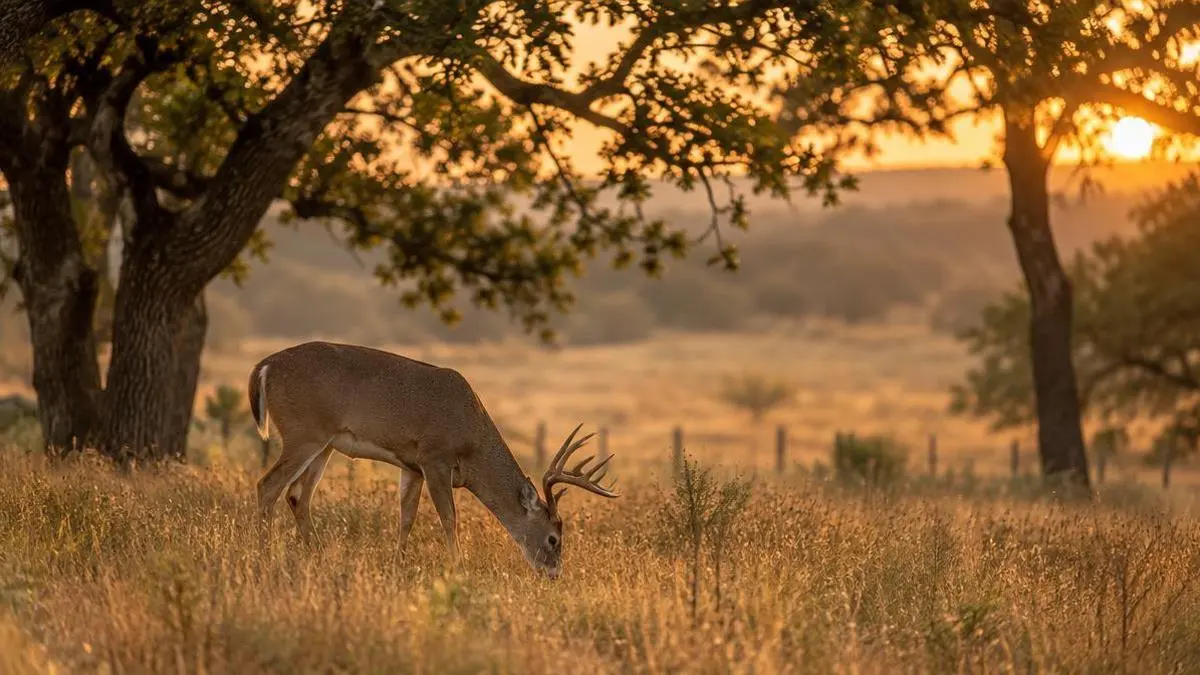
Whitetail Deer in the Texas Landscape
June 5, 2026 • Lone Star Varmint Hunts
What has happened to the deer that have disappeared from the ranch between last evening and this? Often, within a short distance of where they were seen, they have moved into cover, dropped into a cooler area, gotten to a source of water or simply have moved to an area where there is less human activity. For someone attempting to make sense of somewhat scattered sightings of deer on a ranch, the best question to ask about each of those sightings is what changed in the area around where they were seen. Follow a thread of food, follow where heat is, follow pressure and follow seasonal movement during a late season glassing session from near a brushy creek and all will become clear without having to disturb any of the animals and without having to make any sense of evidence that is not there.
Read the Ranch as a Connected System
First start with a base understanding of the property’s habitat and then look at the individual features of the different areas of the property. For example, Texas ranches can have large areas of open grasslands mixed with mesquite, cedar, and crops on the edges of pastures. Also, low creek bottoms and rough draws can be found in a short amount of space on many ranches. Guests look for transitions in the land such as where dense brush gives way to an opening or where a low spot in the land, such as a draw, passes through higher ground. Animals use edges between foods and covers. Here, browse for deer to eat is found right next to the brush line, a water source is nearby as well as a route of travel through the brush and a quiet entry point to the area. Try to identify transitions between different habitats on the property, such as where the thick brush meets up with a clearing, where a low drainage is located on the bottom of a slope, or where native plants grow near a good source of water. The value of a particular piece of habitat is the way that it contains food, cover and escape routes for white-tailed deer.
Food and Cover Set the Daily Pattern
Food changes depending on amount of rainfall, temp, and grazing pressure. Native browse, forbs, mast, as well as crops when available all serve as food sources for deer. In times of drought a rare patch of green can receive sudden use as deer return to previously ignored food sources. Fresh rainfall can spread out the area that deer use for foraging. Thick brush also provides deer with locations to rest during the day and travel at night to feed. Sites with limited amounts of shade are often observed to have narrow strips of vegetation such as locations along a fence line or creek bottom. These sites are used as daytime refuges by deer to escape heat.érer of cover and travel locations to feed sites would be valuable locations to observe deer. Look for feeding signs and a route on either side of the clearing and a lot of secure cover right behind it. Note the location of this edge in relation to where you would set up to hunt and how you would approach it for observation.
Heat, Water and Wind Change Where Deer Show
Like food, deer react to heat. Late in the day, deer may bed in cooler wooded areas or shaded “blind” sites until nightfall when they resume their travels to find food. In Texas, late summer and fall water could possibly draw deer to a tank that is exposed during the day but when hunting late in the day the deer may not be found traveling to the tank. Look for other indicators of water such as food, bedding, and travel corridors. The wind also has an influence on deer behavior and that of human observers alike. It may make a route appear to be less exposed on days of calm weather yet the shifting of air on other days can see human scent travel through cover in the most unexpected manner. When observing wildlife it is best to have an understanding of how the terrain will influence the direction of wind on the ranch and how it will change as the day wears on and the temperature fluctuates. Rather, observe from a far distance using binoculars or a good spotting scope. If deer are leaving their cover because of your presence then your approach has become part of the problem. Note where the deer are traveling and plan your hunt from that location.
Seasonal Movement Is a Series of Adjustments
Habitat use changes throughout the various seasons of the year. While some general trends are evident for white-tailed deer throughout Texas, habitat use is greatly affected by food, temperature, day length, reproductive activity, and human hunting pressure. Those locations that support good numbers of deer during the early part of the season may not support equal numbers later in the season due to decline in food or in quality or quantity of cover. In the early hunting season, the deer use the same travel routes to and from their favorite foods as they did the previous week. As the season progresses and weather changes, they search out sheltered locations with dependable water sources and good supplies of browse. When in peak breeding, they will travel long distances and use different core areas than normal. Note that the same deer are seen in the same location on different days, but keep in mind that these are just observations and should be cross referenced with current conditions on the property the day of your hunt. Note the general location of where you saw the deer, the time of day, wind, temp., food, cover and human disturbance.
Pressure Can Move Deer Without Moving Them Far
Pressure to hunt on your Texas ranch property comes in many forms, more than just actual hunting. Frequently walking through the same areas on the property, usually in search of the deer, can have a significant impact on the animals as well as the property owner. Other things that can have an impact are vehicle traffic, livestock grazing, fence repair, as well as people simply walking through the property. Depending on the extent of the pressure, deer in heavily hunted areas can move a short distance into very heavy cover, and be there by daybreak and return to their former feeding areas at night. These deer may be traveling from the creek-bottom in question but going to bed in the same general location as before, perhaps using the same routes. It may take some time for them to become familiar with your presence. However, it is encouraging that there are deer in the immediate area. Create a plan to reduce your impact. Travel established trails and keep a low profile. Avoid talking loudly and be sure to tie up loose ends such as lost gear. Attempt to avoid circling back to deer bedding areas and water sources. Follow the specific rules of the landowner for items such as boundaries, roads, baiting, and tracking/destruction of harvested deer.
Plan an Ethical Observation or Hunt
Ethical deer observation starts with being prepared and informed as to the rules of the property where you will be observing deer as well as the current laws for the time of year and location where you will be hunting. Landowner rules and range officer questions regarding firearm safety and the proper use of equipment should also be addressed prior to your arrival. Remember to bring binoculars, proper clothing, and sturdy footwear. Bring plenty of water and protect yourself from the sun. Inform someone of your intentions and where you will be. Even though you may bring a phone to a rough place, don’t count on it for return. Make sure you have a solid way to get back before you leave. When viewing deer do not disturb them. Try to keep a respectable distance from the deer and keep them on known travel routes. Do not pursue a deer, corner it or keep chasing it around. If you are hunting, be able to clearly identify the deer and the background. Take only one shot and make sure it is legal according to current law and your own safety. Field Checklist
- Verify information regarding current laws, seasons, licenses and ranch rules prior to arrival at the ranch.
- Mark the location of food, sites of very dense cover, water sources, and their edges on the map or in your notebook.
- Note the wind direction at the access point and again at the observation area.
- Document fresh sign without tracking in bedding areas and travel routes.
- Write down the time of day, weather, pressure by deer and their behavior.
- Use suitable distance and quality optics to observe deer in water and in very dense cover.
- Carry water, sun protection, suitable clothing and a communication plan.
- All firearm, vehicle and property rules on the ranch will be followed for your safe hunt.
- Get out of there in case of a hot day, a lightning storm, bad weather, or your own fatigue.
Let Evidence Shape the Next Visit
The most reliable habit for observing and hunting on any Texas ranch is to observe and then respond accordingly. For areas with good food and good cover, sometimes you just have to wait until later in the day to observe deer using the location. Or observe from a long distance. Or not at all. It is best to leave many corridors to nature. Observe first and then go to work. Remember that on most ranches food and cover account for much of the deer activity, while heat, water, wind, and human activity account for changes in that activity. It’s a very simple formula to follow for effective and ethical observation and hunting.