Texas Wildlife
Wildlife Photography in the Texas Countryside
July 16, 2026 • Lone Star Varmint Hunts
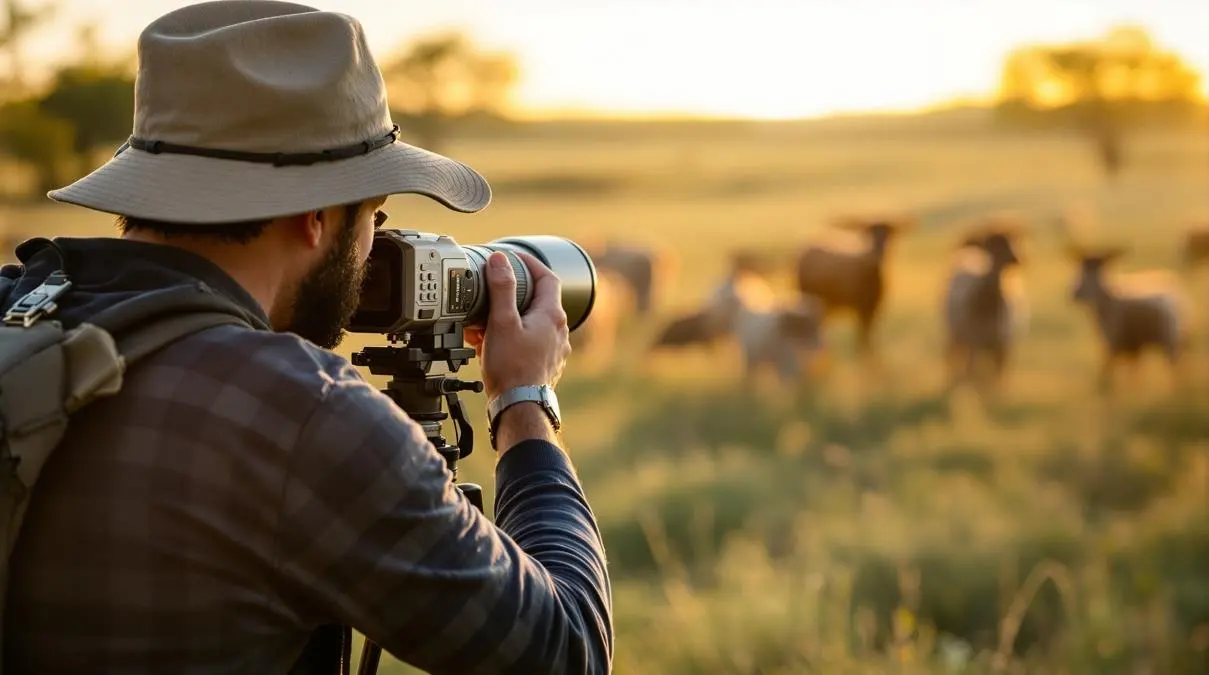
There is no substitute for good photography of wildlife, and a good camera will always record the wild animals. However, these images were recorded by someone who approached the animals slowly and cautiously, not rushing in order to repair a faulty approach at the end. This same patience, wind awareness, and quiet movement that make for a very good day in the outdoors also makes for good photography. Field observation is key to very good photography, and treat it as such. You will return to your vehicle with some very natural images and minimal damage to the land.
Start With the Wind, Not the Camera
Take a moment and observe the wind. If it is blowing, check to see if it is steady or not. If it is not steady then it could be picking up your scent and alerting the animals to your presence. And conversely a steady wind blowing toward an animal could be blowing its scent away and not alerting it to your presence. Watching for grass to bend, for dust to rise, for leaves to twitch, or even for a strip of cloth tied up in a tree to bend will give you an accurate reading of the wind. The fact that wind awareness does not guarantee a good photo shot is something to keep in mind. If the wind is blowing toward the animal, it is better to shoot from a different angle, or with a wider view to include more of the surroundings. Crossing open ground to get to a better location for a short time to take a photo will result in a lot of disturbance to the wildlife for a long time afterwards.
Use Terrain as a Natural Blind
Not all terrain is created equally when it comes to covert approach. Dry washes for example can look like a great place to approach from but they concentrate animal travel and beds so it is best to avoid walking up them unless you have a good idea where animals are at the time. Low rises or saddles in the terrain can provide excellent concealment and allow a photographer to remain obscure while approaching from the rear. Ranch country changes quickly. Work from the edges of habitats, i.e. from the grass/succulent to the brush, from the open area to the water source and its surrounding cover. A long lens, a teleconverter or even just a good crop from a sharp frame is so much better than trudging through sensitive country for a few extra yards. Stress a subject at your peril. Animals in nests, dens, bedding areas or in tight escape routes can look wonderful but don’t assume they are relaxed simply because you can see them. Photo them only if they appear to be going about their normal business in their normal environment.
Make Quiet Movement a Complete Habit
Becoming aware of your noise while in the field is so much easier than most people think. Just lock up your camera and strapping before entering into cover. Make sure all of your exterior gear such as water bottles and strapping on your hat or pack are quiet as well. Remember to slow down at the gates, dry grass and brushy areas and if you need to reposition yourself, move when some natural noise in the background is occurring. Pause frequently, and travel often in short bursts of movement. Establish a routine of traveling a short distance, then stopping to scan around and listen for several moments. Although animals are often easier to see when you are still, surprise can have an adverse effect on the animals as well as the photographer. These effects can last long after the frame has been captured. Wait a few seconds. If the animal continues to stare at you then slowly lower your camera, turn slightly to the side to reduce your visibility, and leave. A lost photograph is much easier to take than disturbed wildlife.
Choose a Position That Protects the Habitat
If by chance your photo develops later with unusual crop marks and lines, remember that repeated foot traffic around a water source, seep, wash or a disturbed area can in time flatten down vegetation, erode soil and cause the wildlife to shun the area as it becomes “travel ground”. Walk on hard surfaces and use established ranch roads and trails where available. Don’t move any sticks, pull any grass, break any deadwood or rearrange any natural materials to take your photo. This is part of the animal’s environment and by leaving it as it is, you can get some very natural photos with just a few stems etc. across the frame of the animal, giving an indication of where they live. Remember to show the same respect to ranch infrastructure (fences, gates, waterers, etc.). Close any gates you come across, keep your equipment away from anything that could be damaged by it, do not approach or disturb any waterers, and do not cross fences that have been put up by the landowner unless you have been given permission to do so.
Let Animal Behavior Set the Distance
It does not have to be measured in feet. A bird or other animal that appears to be relaxed will continue to eat, preen or even sleep while you are watching it. However, certain signs can indicate to you that the subject is becoming stressed or even alarmed. A stressed animal may continue to watch you while making defensive postures. It may be driven off or begin to hide in some form of cover. It may even leave an area where it has been feeding or at a place where it has been drinking water. If you see any of these indicators of stress then you should increase your distance from the wildlife or leave the area. Of course, quick retreat is not always the best course of action either. The photographer could move slowly and back up away from the animals, and ensure he or she has a safe route of withdrawal. Often it is best to avoid placing oneself between an animal and cover, between it and its young, between it and water, between it and what it travels on. If an animal is defending itself then it is best to give it a wide berth. Never entice an animal by using food, calls, objects, or other means in order to get it to move into position for your photo. Also, do not enter closed areas in search of wildlife. A good photo of wildlife is worth waiting for, and it is more than worth denying the needs of the animal and the safety of both yourself and others on the property in order to get that shot.
Prepare for Light, Weather, and Long Pauses
For comfort and good judgment, the wildlife photographer must prepare for his time in the field. In Texas’ bright sun, the animals in the photo will often disappear in the glare. Also, the very good views of animals will be of very poor quality photos because of low light. So, you will want to position yourself to take advantage of good light. That means you will be turning around to shoot from the opposite direction. So, don’t be so quick to move in to get a closer shot of your subject. Be prepared to move to the other side of the view to take the photo. Water, sun, shoes, and a means of communication are key. You can keep that extra gear simple by bringing items like a lens cloth, an extra battery, and a quiet means of covering up your gear. Much stress can be alleviated by keeping your field equipment simple. Wait a long time. Study the behavior of the wildlife, the shadows on a slope, and how the wind is behaving. All of these things will help you determine whether you should stick around a particular vantage point, move to another spot, or pack up and go home.
A Simple Field Decision Guide
Before moving around in the field ask yourself three simple questions: 1. What is the wind doing? 2. Where will my movement through cover hide my presence? 3. What is the least disturbing route through the habitat and around the animal(s) being viewed? Be sensitive to wind. Avoid approaching sites with sensitive ground cover. Don’t approach until animals ignore your presence. Give plenty of space to animals that change behavior while you’re approaching. Don’t take photos that require you to cross fences, enter closed off areas, or trudge through bedding sites. A short check before each approach is useful:
- Wind direction and whether it is steady.
- Ground conditions, cover, and likely animal travel routes.
- Loose or noisy equipment.
- A safe retreat route that does not block wildlife.
- Landowner instructions, gates, fences, and posted restrictions.
- Is the observed wildlife, and how is it doing?
Leave the Ranch Ready for the Next Visitor
There is no reason for Texas wildlife photography to involve close encounters with the animals that live on the ranches of this wonderful state. Noticing more and moving less is all that is required to have a wonderful time on a wildlfe viewing tour. Let the ranch wildlife view in comfort. Let the weather and the wildlife view determine how long you will stay. So whether you’re a photographer or hunter, learning to appreciate and navigate through the ground of wildlife is key to successful stalking of all species. A good observer will learn the ground quickly without pressurizing every animal to get a glimpse or shot. In that respect a responsible piece of photography can be part of your responsible use of a ranch.