Hunting Trips
Planning a Guided Hunt: The Questions to Ask Before You Book: A Practical Planning Framework
August 4, 2026 • Lone Star Varmint Hunts
Choose the trip before choosing the date. Suppose Maya has a free weekend, suitable equipment and an interest in a guided varmint hunt, but has not asked what species may be pursued, who handles permits or how the guide defines a responsible shot. Booking first could leave her unprepared or create an arrangement that does not match her goals. The first call should clarify the legal, practical and ethical boundaries before money, travel and expectations are committed.
Start with the outcome you actually want
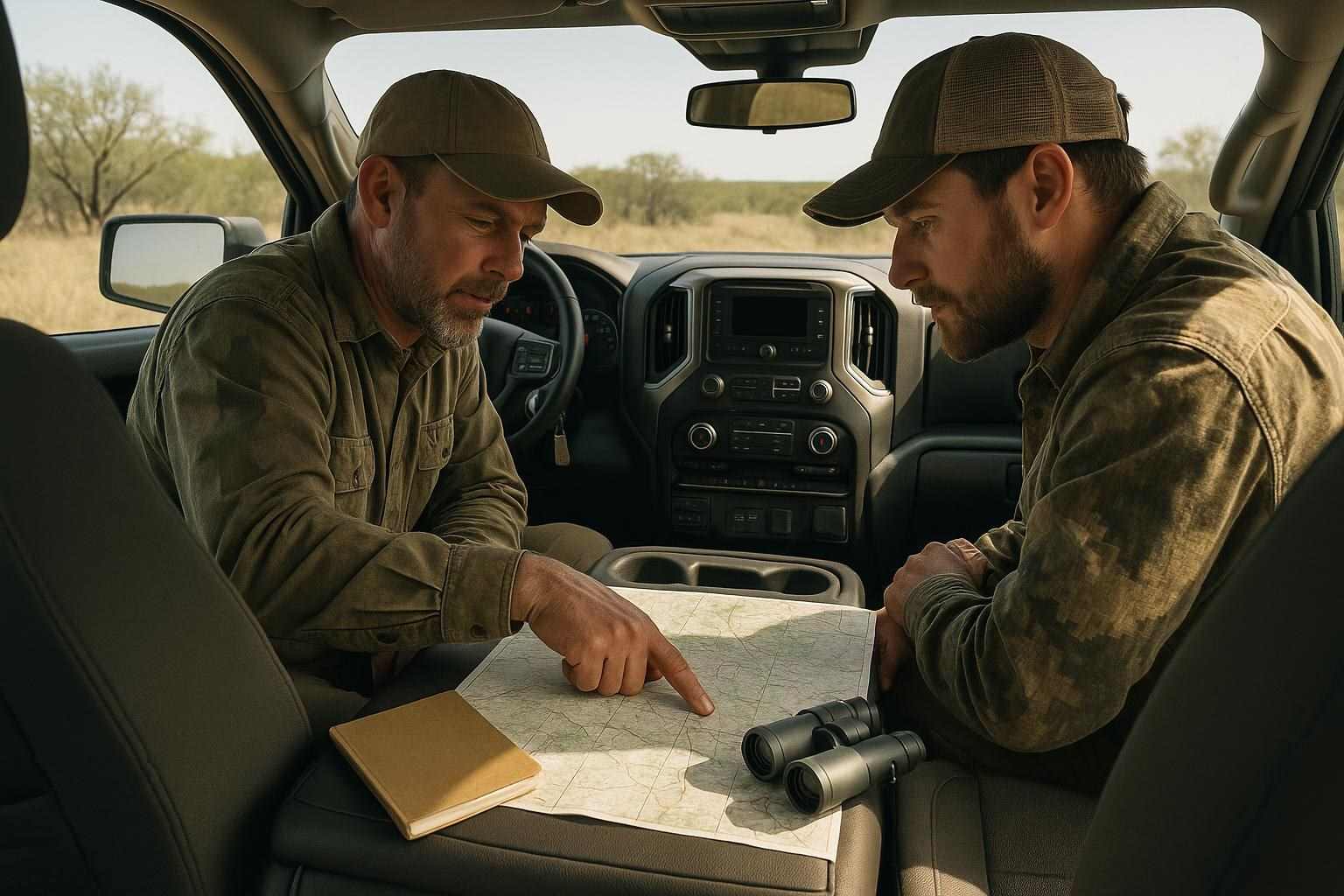
Maya's first decision is not simply whether she wants to hunt, but what would make the trip worthwhile. Is she hoping to learn a new landscape, help address a land-management concern, practice careful identification or spend structured time outdoors with a guide? Those aims may overlap, but they can require different locations, schedules and equipment.
Ask what a normal day is designed to accomplish. The guide should explain the terrain, likely pace, expected walking or waiting and the instruction available. Be cautious of guaranteed-opportunity claims. Wildlife is unpredictable, access can change and conditions affect activity. A responsible guide describes possibilities without presenting an uncertain outcome as certain.
Also ask how success is measured when conditions are slow. Observation, practice reading wind and terrain, or learning how a property is managed may still make the trip worthwhile. Maya should explain if she prefers a patient, selective approach rather than taking every legal opportunity. Clear boundaries help both sides determine whether the arrangement fits.
Turn access and logistics into specific questions
A useful booking conversation covers details that marketing language may omit. Ask where the meeting point is, how much travel occurs after arrival, what happens if weather or access conditions disrupt the plan and whether the guide expects the client to provide food, water, eye and hearing protection, clothing or other equipment.
Do not assume that a rifle, optic or ammunition choice fits the guide's setup. Confirm equipment restrictions, sight-in expectations and transportation rules before departure. If bringing a firearm, ask how it should be transported and stored, then check the laws applying to the route and destination.
Physical demands deserve equal attention. An accessible day may still involve uneven ground, long periods outdoors or repeated movement between locations. Explain any limitation that could affect walking, sitting or carrying gear, and ask what adjustments are practical.
After the call, Maya should be able to describe the meeting place, timing, equipment responsibilities, physical demands and backup plan in her own words. If she cannot, the plan is not clear enough to book.
Verify regulations instead of relying on memory
Texas hunting regulations can vary by species, county, property, season, method and land status. Requirements may also change when a trip is planned months ahead. The guide can explain how the property is managed, but the hunter remains responsible for understanding the applicable rules.
Ask which species are intended, what permissions are needed, who obtains or verifies them and whether harvest reporting or tagging requirements apply. Ask how the guide handles a species that is difficult to identify in the field. A reliable answer should allow for checking current official guidance rather than treating remembered rules as permanent.
Before leaving, Maya should consult current information from the relevant Texas wildlife authority and confirm federal, county and property-specific requirements. Saving the source or noting the date checked is more reliable than depending on an old message or a friend's recollection. If the trip crosses state lines, include transport and possession rules along the route, not just at the destination. Settle licensing, permit and reporting questions before travel, since a guide may not be able to correct an omission after the hunt begins.
Agree on field decisions before the first opportunity
Ethical predator control begins with a defined purpose, not the assumption that every visible animal should be taken. Ask the landowner's or guide's management objective: livestock protection, protection of young animals, reducing pressure around a particular area or lawful recreational hunting. The answer may determine which animals are appropriate targets and which are left alone.
Maya should ask how uncertain identification is handled, what conditions lead to a declined shot and what happens if an animal is wounded. The guide should be willing to pause when the backstop, visibility, range, weather or species identification is inadequate.
Discuss communication before the hunt. Agree on what a stop or hold signal means, who makes the final call when a situation is unclear and how the guide wants questions raised without pressure. These details reduce confusion during a brief, demanding opportunity.
A guide who treats caution as part of the service is providing information needed for a responsible decision. A guide who dismisses questions about identification, shot conditions or follow-up care is a warning sign, even if the itinerary sounds attractive.
Put the plan in writing before you travel
Once the major questions are answered, request a written summary identifying the date or scheduling window, meeting instructions, inclusions, equipment responsibilities, cancellation or weather procedures and required documents. This prevents two people from remembering the same conversation differently.
Read the terms for deposits, changes and cancellations carefully, especially when weather or property access may alter the plan. Keep the guide's contact information, meeting details and confirmations somewhere accessible without relying on a weak phone signal. Give a trusted person the basic itinerary as a sensible travel precaution.
Maya can then decide using more than enthusiasm. If the answers are specific, legal responsibilities are clear and the guide's field standards match her own, booking becomes an informed choice. If important questions remain vague, postponing the trip is preferable to discovering the mismatch after arrival.